The answer isn’t always straightforward.
At Castor Tree Care, we believe tree fertilization should never be a one-size-fits-all solution. Understanding your tree’s health, soil conditions, and seasonal needs is essential before applying any fertilizer.
Do Trees Need Fertilizer During the Summer?
Healthy, mature trees growing in nutrient-rich soil often do not require summer fertilization. Their root systems are well established and naturally recycle nutrients from fallen leaves and organic matter.
However, fertilization may benefit trees that are:
- Showing slow or poor growth
- Recovering from construction damage
- Recently transplanted
- Growing in compacted urban soils
- Experiencing nutrient deficiencies
- Stressed by drought or environmental conditions
Many neighborhoods throughout North York have compacted clay soils, limited root space, and competition from lawns, making nutrient availability less than ideal for trees.
Why Summer Can Be a Challenging Season
Summer places trees under significant stress because they must balance growth with survival.
Factors include:
- High temperatures
- Periods of drought
- Increased insect activity
- Soil compaction
- Limited moisture
- Heat reflected from driveways and sidewalks
Applying fertilizer incorrectly during these stressful periods can stimulate excessive leaf growth when the tree should instead be conserving energy.
That’s why professional evaluation is so important.
Signs Your Tree May Have a Nutrient Deficiency
Not every unhealthy tree lacks nutrients, but common symptoms include:
- Pale or yellowing leaves
- Smaller-than-normal foliage
- Sparse canopy
- Reduced annual growth
- Early leaf drop
- Weak branch development
Many of these symptoms can also indicate disease, poor drainage, root damage, or insect infestations. A proper diagnosis should always come before fertilization.
The Best Fertilizer for Trees
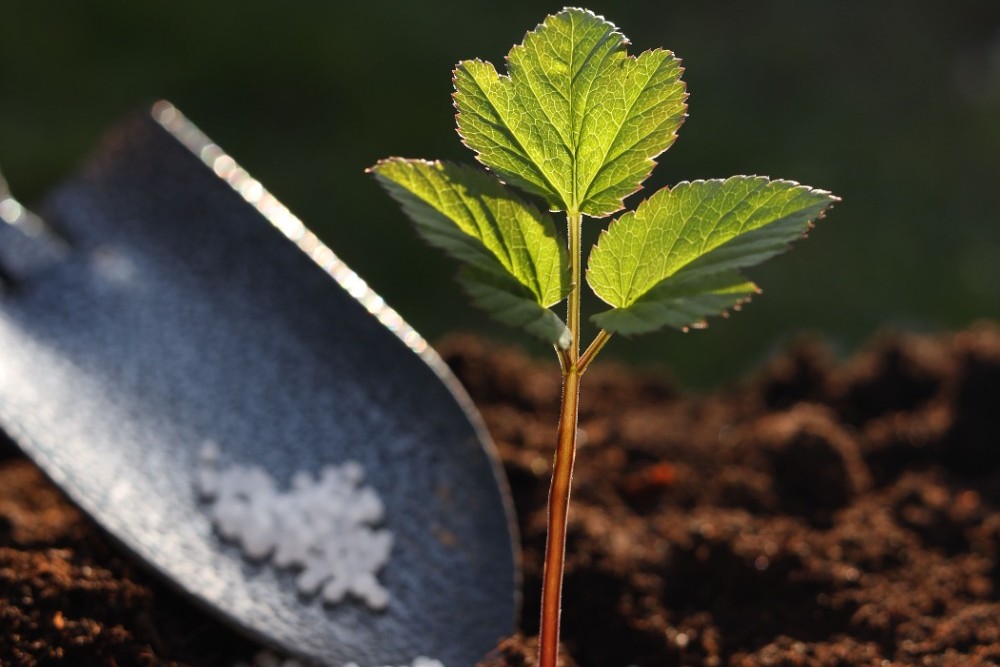
Professional arborists typically recommend:
Slow-Release Fertilizers
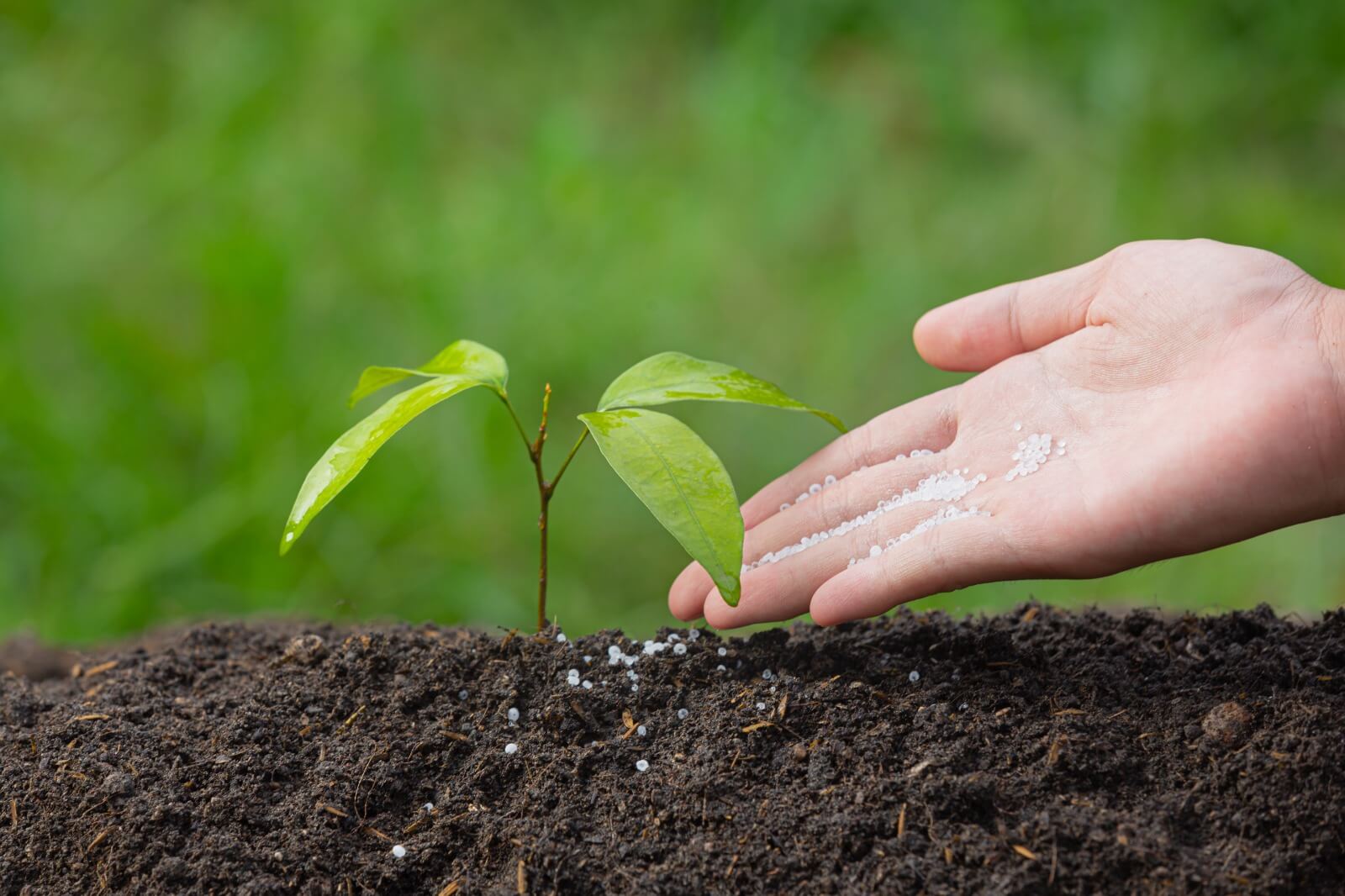
Slow-release fertilizers provide nutrients gradually, reducing the risk of root burn while supporting healthy root development over several months.
Organic Fertilizers
Organic products improve soil biology, encourage beneficial microorganisms, and help retain moisture—particularly valuable for North York’s urban landscapes.
Deep Root Fertilization
One of the safest and most effective methods involves injecting nutrients directly into the root zone beneath the soil surface.
Benefits include:
- Less nutrient runoff
- Better root absorption
- Reduced lawn competition
- Improved soil aeration
- Healthier root development
Trees That Commonly Benefit from Fertilization
Some species respond particularly well when nutrient deficiencies are present, including:
- Maple trees
- Oak trees
- Birch trees
- Honey locust
- Linden trees
- Spruce
- Pine
- Cedar
- Newly planted ornamental trees
Each species has different nutrient requirements, making professional assessment valuable before treatment.
When You Should Avoid Summer Fertilization
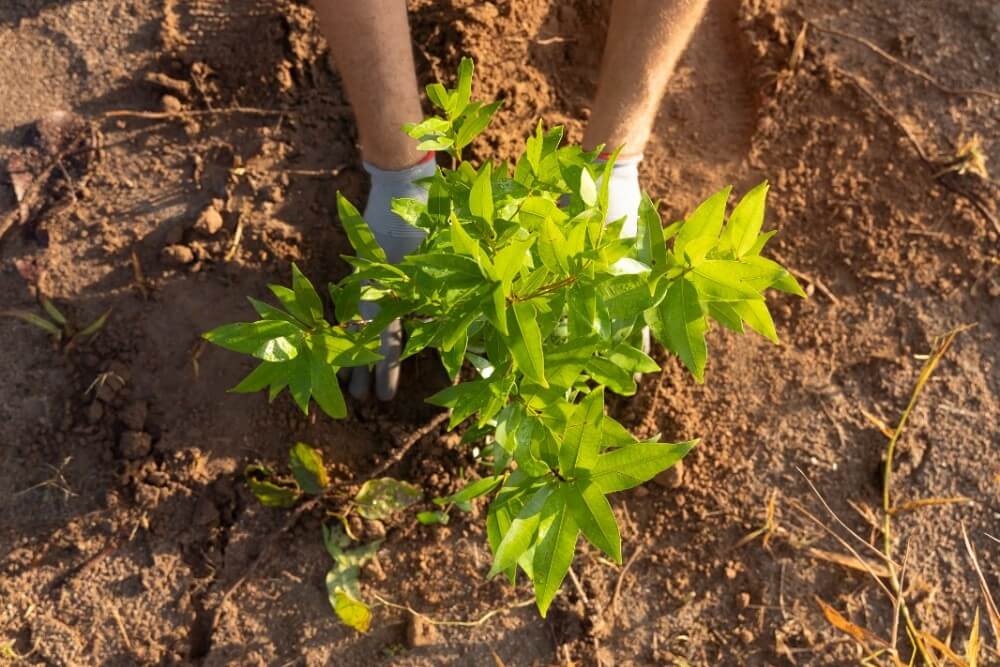
Avoid fertilizing trees that are:
- Severely drought stressed
- Newly planted within the past few weeks
- Suffering from root rot
- Undergoing transplant shock without adequate watering
- Already producing vigorous, healthy growth
Over-fertilization can encourage rapid leaf production while weakening overall tree structure and increasing susceptibility to pests.
Watering Matters Just as Much
Fertilizer alone cannot compensate for dry soil.
During hot North York summers:
- Water deeply instead of frequently.
- Apply mulch around the base of the tree (keeping it away from the trunk).
- Avoid watering during the hottest part of the day.
- Maintain consistent soil moisture during prolonged dry periods.
Healthy roots absorb nutrients much more efficiently when moisture levels are balanced.
Why Soil Testing Comes First
Applying fertilizer without knowing your soil’s condition is largely guesswork.
Professional soil testing can identify:
- Nutrient deficiencies
- Soil pH
- Organic matter levels
- Compaction issues
- Drainage problems
This information allows arborists to recommend only the nutrients your trees actually need.
Professional Tree Fertilization in North York
Every property is different.
Urban conditions in North York—including road salt exposure, compacted soils, limited rooting space, and ongoing development—can significantly affect tree health.
At Castor Tree Care, our certified arborists assess each tree individually before recommending fertilization. If nutrients are needed, we use safe, environmentally responsible methods that support long-term tree health rather than quick, temporary growth.
Whether you have mature maples, newly planted ornamentals, or valuable shade trees, proper fertilization can improve resilience, strengthen root systems, and help your landscape thrive throughout Ontario’s growing season.
Contact Castor Tree Care
If you’re unsure whether your trees need fertilization this summer, let our experienced team evaluate their health.
Castor Tree Care proudly provides professional tree care services throughout North York and the Greater Toronto Area, including tree health assessments, deep root fertilization, pruning, disease diagnosis, and long-term tree maintenance.
Contact us today to schedule a professional tree evaluation and help your trees stay healthy, strong, and beautiful for years to come.