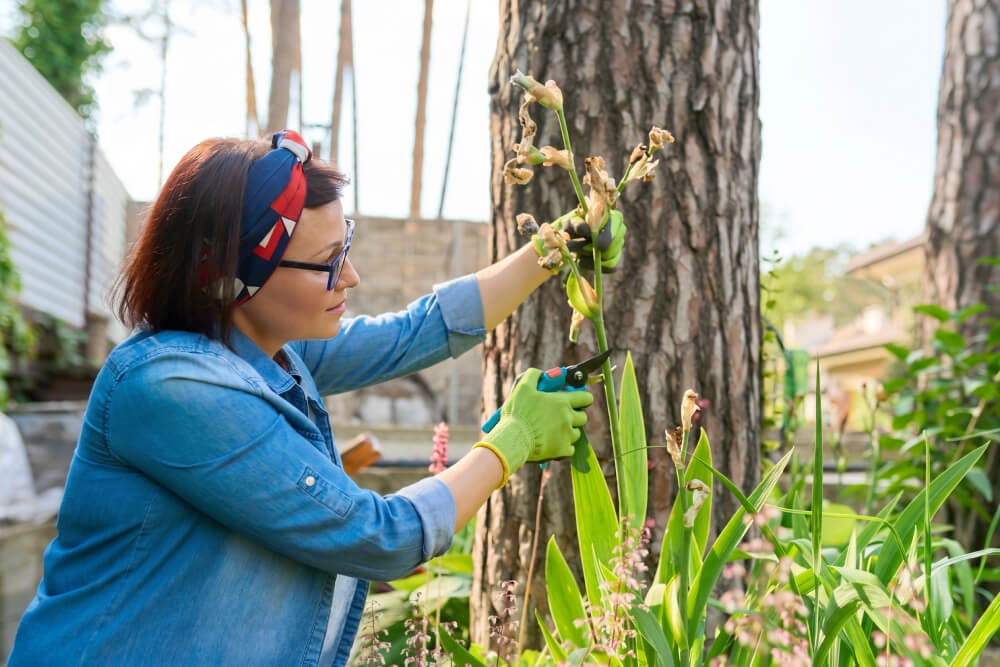
Summer is one of the busiest seasons for homeowners to improve their landscapes. While tree pruning can enhance the appearance, safety, and health of your trees, improper pruning techniques can cause long-term damage. Many property owners in Richmond Hill unknowingly make mistakes that weaken trees, increase the risk of disease, or create safety hazards.
Understanding the most common tree pruning mistakes can help protect your investment and keep your landscape healthy throughout the growing season. Castor Tree Care can explain how:
Why Proper Tree Pruning Matters
Tree pruning is much more than simply cutting branches. When performed correctly, it can:
- Promote healthy growth
- Remove dead or hazardous branches
- Improve air circulation and sunlight penetration
- Reduce the risk of storm damage
- Enhance the tree’s natural structure and appearance
- Improve safety around your home
However, poor pruning practices can have the opposite effect, stressing trees and making them more susceptible to insects, disease, and structural failure.
Mistake #1: Over-Pruning
One of the biggest mistakes homeowners make is removing too much of the tree’s canopy during a single pruning session.
Trees rely on their leaves to produce energy through photosynthesis. Removing too much foliage reduces the tree’s ability to generate nutrients, causing unnecessary stress.
Signs of Over-Pruning
- Removing more than 20–25% of the canopy at once
- Excessive thinning of healthy branches
- Trees producing weak water sprouts
- Slow recovery and reduced growth
Over-pruning is especially harmful during Richmond Hill’s warm summer months, when trees are already working hard to support new growth.
Mistake #2: Pruning at the Wrong Time
While some light maintenance pruning is acceptable during summer, major pruning projects should be planned carefully.
Different tree species have different pruning requirements.
For example:
- Oak trees should be pruned carefully to reduce the risk of disease.
- Flowering trees may lose next season’s blooms if pruned immediately after forming flower buds.
- Young trees often benefit from structural pruning during dormant seasons.
A professional arborist understands the ideal pruning schedule for each species commonly found throughout Richmond Hill.
Mistake #3: Making Improper Cuts
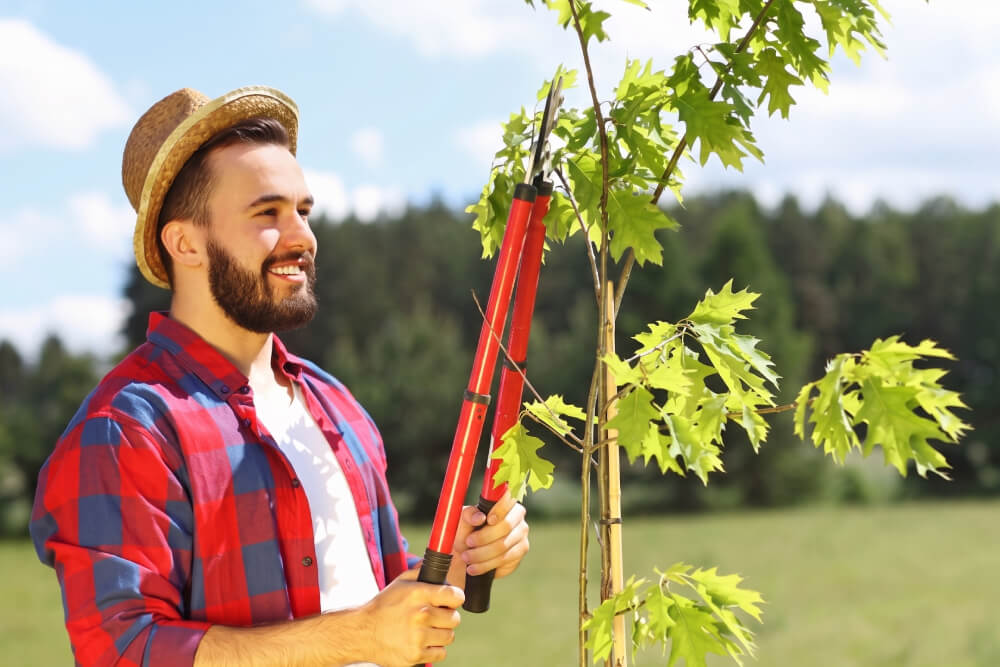
Poor cutting techniques often create wounds that never heal properly.
Common examples include:
- Leaving long branch stubs
- Cutting too close to the trunk
- Tearing bark during branch removal
- Using dull pruning equipment
Proper cuts should be made just outside the branch collar, allowing the tree to naturally seal the wound.
Incorrect cuts increase the likelihood of:
- Fungal infections
- Insect infestations
- Wood decay
- Structural weakness
Mistake #4: Topping Trees
Tree topping remains one of the most harmful pruning practices.
Topping involves cutting large sections off the top of a tree to reduce its height.
Although it may appear to solve immediate concerns, topping actually:
- Weakens the tree
- Encourages rapid, weak regrowth
- Increases future maintenance costs
- Creates hazardous branch attachments
- Shortens the lifespan of the tree
Instead of topping, certified arborists use crown reduction or selective pruning techniques that preserve the tree’s natural structure.
Mistake #5: Ignoring Dead or Diseased Branches
Some homeowners focus only on improving the appearance of their trees while overlooking unhealthy limbs.
Dead, damaged, or diseased branches should be removed promptly because they can:
- Fall unexpectedly
- Spread disease to healthy parts of the tree
- Attract insects
- Increase storm damage risks
Routine tree inspections can identify these issues before they become serious.
Mistake #6: Using the Wrong Equipment
Household pruning tools are often insufficient for larger branches or mature trees.
Using improper equipment can result in:
- Jagged cuts
- Torn bark
- Personal injury
- Property damage
Professional tree care companies use specialized equipment designed for safe and precise pruning while protecting nearby landscaping and structures.
Mistake #7: Pruning Near Power Lines
Attempting to prune branches growing near electrical lines is extremely dangerous.
Power lines can remain energized even when they appear inactive.
Never attempt to remove branches that are close to utility lines. These situations require trained professionals following strict safety procedures.
Mistake #8: Ignoring Tree Structure
Every tree has a natural growth pattern that should be preserved.
Removing branches without considering the tree’s structure can lead to:
- Unbalanced growth
- Weak branch attachments
- Increased wind resistance
- Greater likelihood of branch failure during storms
Professional arborists evaluate each tree individually before deciding which branches should be removed.
Summer Tree Pruning Tips for Richmond Hill Homeowners
To keep your trees healthy throughout the summer:
- Inspect trees regularly for damaged or dead branches.
- Avoid removing large sections of healthy foliage.
- Use clean, sharp pruning tools.
- Water trees during extended dry periods after pruning.
- Monitor trees for signs of disease or insect activity.
- Schedule professional inspections for mature or valuable trees.
Why Hire a Professional Tree Care Company?
Professional pruning protects both your trees and your property.
An experienced tree care specialist understands:
- Proper pruning techniques
- Species-specific pruning requirements
- Local climate conditions in Richmond Hill
- Tree health assessments
- Safe climbing and equipment practices
Hiring professionals also reduces the risk of injuries and costly property damage while helping your trees remain healthy for years to come.
Keep Your Richmond Hill Trees Healthy This Summer
Avoiding common pruning mistakes is one of the best ways to preserve the beauty, safety, and longevity of your landscape. Whether you have mature shade trees, ornamental species, or newly planted trees, proper pruning techniques make a significant difference in their long-term health.
If you’re unsure whether your trees need pruning or you’re concerned about damaged or overgrown branches, the team at Castor Tree Care can help. Our experienced professionals provide safe, expert tree pruning services throughout Richmond Hill, helping homeowners maintain beautiful, healthy, and structurally sound trees all summer long.